Springtime Symphony: Mother Nature's Texas Edition Guide to Home Preparation

Ah, hello there, y'all! It's me, Mother Nature, ready to sprinkle some Texas charm and wisdom your way. As the warm breeze starts to dance through the Lone Star State, it's time to get your Texas-sized boots ready and prepare your homes for the lively season of Spring. So, grab yourself a sweet tea and let's mosey on down the path of Springtime preparation, with a hint of humor to keep things as bright as a Texas sunrise!
Now, let's talk about wrangling those outdoor spaces, y'all! Picture this: as you step out onto your front porch, you're greeted by the sights and sounds of Spring in Texas. But hold your horses! Before you can kick back in your rocking chair and enjoy the show, it's time to lasso those pesky weeds that have been sneakier than a roadrunner in the night. Grab your gardening gloves and let's wrangle those weeds like a true Texan cowboy - yeehaw!
Next up, we're heading indoors for a little Spring cleaning, Texas-style! As you sweep through your home like a tumbleweed on a windy day, take a moment to appreciate the dust bunnies that have been hiding out like armadillos in the desert. With a hearty laugh and a can-do attitude, show those dust bunnies who's boss and send 'em packin' faster than a jackrabbit on a hot summer day!
But wait, pardner, don't forget about your trusty steed - I mean, plumbing system! As the temperatures rise faster than a thermometer in July, it's time to give your irrigation system a good once-over. After all, nobody wants to deal with a busted pipe or sprinkler head when they could be sipping sweet tea on the porch. So, grab your toolbelt and wrangle those pipes back into shape like a seasoned cowboy at a rodeo!
Well, ain't that just the prettiest sight you ever did see? With a little elbow grease and a whole lotta Texas spirit, your home is ready to welcome Spring with open arms. So, as you bask in the warm glow of the Texas sun and listen to the birds sing their sweet songs, remember that Mother Nature is always here to lend a hand - and a laugh or two! Happy Spring, y'all, and may your days be filled with sunshine, laughter, and plenty of Texas-sized adventures!
So You Bought a Place with a Fireplace: Now What, Champ?

Reacher's Guide to Chimney Inspections
Alright, listen up, butterfingers. You just snagged yourself a place with a fireplace. Maybe it's a charming little Cape Cod with a brick number in the living room, or a sprawling ranch with a stone behemoth anchoring the great room. Whatever the digs, you're picturing crackling logs, mugs of cocoa, and snow falling softly outside. Picture perfect, right?
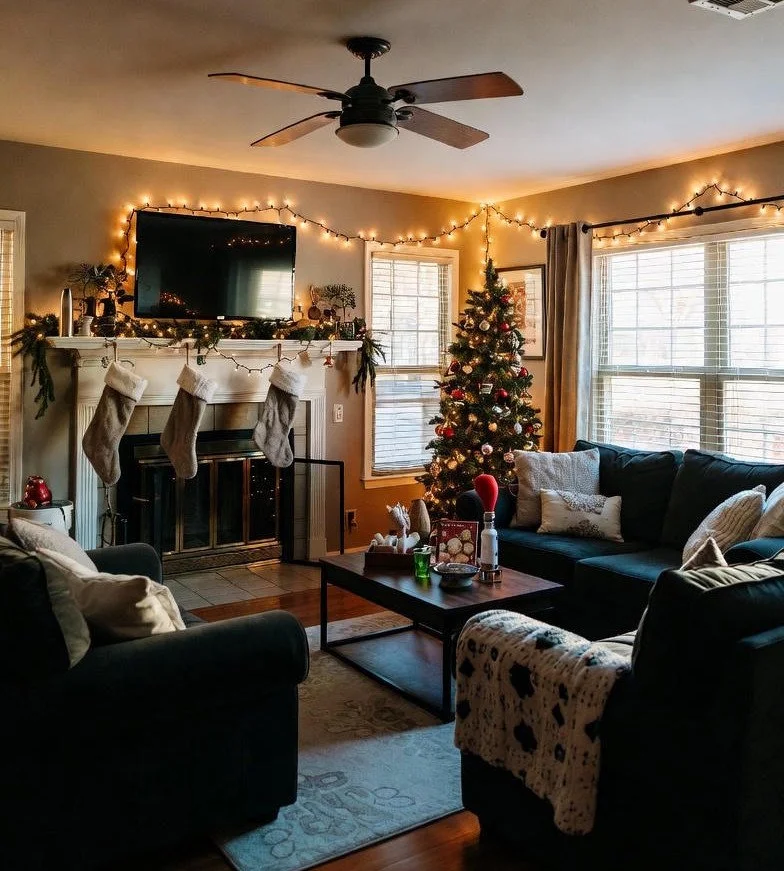
Hold your horses, sunshine. Before you start decorating the mantel with twinkle lights and hanging stockings with visions of sugarplums dancing in your head, there's a reality check waiting for you – and it's called a chimney inspection.
Why the Fuss Over Soot and Stuff?
Here's the deal. That lovely fireplace you're daydreaming about is essentially a vertical tunnel for flames and smoke. And just like any tunnel, it needs regular maintenance to avoid… well, fiery mayhem. Let's break it down:
Creosote buildup: This black, tarry gooeyness is the result of burning wood. It's like the chimney's version of plaque, and if it builds up too much, it can catch fire. Think chimney inferno, and not the cozy kind with marshmallows.
Cracks and gaps: Over time, bricks and mortar can crack, letting sparks and embers escape. Not exactly the ambiance you were going for when you were picturing snowflakes, was it?
Blockages: Birds' nests, animal carcasses, rogue squirrels – you never know what might find its way into your chimney. And let me tell you, a chimney fire fueled by a disgruntled raccoon is a recipe for disaster.
So, How Do You Avoid All This Sooty Drama?
Simple. Get your chimney inspected by a qualified sweep before you light that first fire. They'll do a thorough examination, checking for all the nasty stuff mentioned above. If they find anything funky, they'll clean it out and make sure your chimney is safe and sound for all those cozy winter nights.
Think of it as an investment in your safety and sanity. A good chimney sweep can save you from a world of heartache (and potential property damage) down the line. Plus, they're usually pretty cool people. They've seen it all, from rogue logs to runaway Santas, and they have the stories to prove it. Trust me, swapping tales with a chimney sweep beats listening to Aunt Edna drone on about her cat collection any day.
The Bottom Line
Buying a place with a fireplace is a dream come true, but don't let that dream turn into a nightmare. Get your chimney inspected, folks. It's the responsible, the safe, and the frankly smart thing to do. And hey, if you happen to find a stash of pirate treasure in the process, well, that's just the icing on the fireproof cake.
Now, go forth and conquer your chimneys, rookies. And remember, winter is coming. Be prepared.
P.S. If you're looking for a good chimney sweep, I know a guy. He owes me a favor. Just don't tell him I sent you.
P.P.S. And for Pete's sake, don't try to DIY this. Unless you're a certified chimney sweep with nerves of steel and a tolerance for soot that would make a chimney swift jealous, leave the dirty work to the pros. Your roof (and your sanity) will thank you for it.
P.P.P.S. If you see me rappelling down your chimney dressed like Santa, don't be alarmed. I'm just here for the cookies. And maybe to make sure your chimney's up to snuff.
Stay safe, stay warm, and remember, a clean chimney is a happy chimney.
Happy New Year!
P.P.P.P.S. Seriously, don't try to DIY this. Just call a sweep. Trust me.
Winterizing Your Ho Ho Home by S. Claus!

🎅🏼 Ho Ho Ho! Winter's approaching, my dear homeowners! As we gear up for the holiday season, it's time to ensure your beloved abode is cozy and snug for the frosty days ahead. Now, I may be Santa Claus, but I've got a few tips that might just make your home the coziest spot this side of the North Pole.
Let's Sleigh These Winter Woes
Ever thought about what your home might go through during winter? Just like my sleigh, it needs a little TLC to tackle the chilly weather. Winterizing your home is like giving it a warm, wooly coat to brave the elements.
1. Seal in the Warmth:
Remember, just like a present, a well-sealed home is a delight! Inspect for any cracks or gaps around windows and doors. If you find any, seal them up tighter than a bow on a present! Caulk and weatherstripping are your trusty elves for this job.
2. Furnace Check-Up:
Your furnace is the Rudolph of your home - guiding warmth through the coldest of nights. Give it some love with a professional check-up. Clean filters and make sure it's in top shape. After all, no one wants a grumpy furnace on a frosty morning!
3. HVAC Condensate Drain Prep:
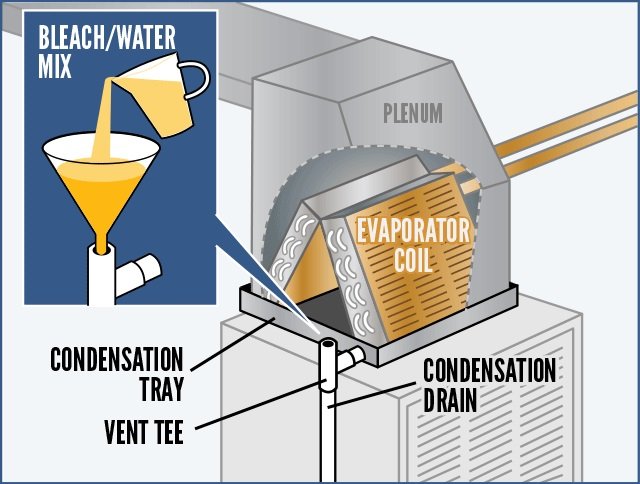
Your A/C is retired for the season. Now is the time to add a cup of vinegar to the condensate drain vent to prevent it from plugging up with moss and other biologic growth over the winter.
4. HVAC Filter Replacements:
Optimize your furnace performance by changing out your HVAC filters, allowing your system to breathe easy as it brings warmth to every room in your home.
5. Pipe Protection:
Oh, the horror of frozen pipes! Prevent this icy nightmare by insulating exposed pipes and letting faucets drip a bit during the chilly nights. Trust me, your pipes will thank you by not turning into icicles!
6. Chimney Cheer:
If you have a chimney, have it inspected before those chestnuts roast. We don't want any surprises when Santa comes down that chimney, do we?
7. Icy Walkways & Snow Shoveling Savvy:
Keep those pathways clear! A clear path isn't just welcoming to guests; it also prevents slips and falls. Remember, a shovel and salt can be your magical wand against snow piles and icy surfaces!
8. Gutters Need Love Too:
Clean those gutters before they turn into icy skating rinks. Clogged gutters can cause a snowmageddon of problems, so grab a ladder and get those cleared out.
Let's Wrap this Up, Shall We?
Winterizing your home might seem like a lot of work, but think of it as preparing for a grand holiday celebration. A few preparations now mean cozy nights, warm cocoa, and the joy of knowing your home is snug as a bug in a rug.
Remember, just like my list of good kids, these steps are essential. So, grab your tools, enlist some merry helpers, and get your home ready to sleigh winter like a pro!
🎄 Happy Winterizing, Ho-Ho-Homeowners! 🎄
"It's-a Me, Mario! Let's-a Talk Water Heater Safety for New Home Buyers"

Hello, dear home buyers! It's-a me, Mario! I'm-a here to share some important tips that'll help you navigate the wild world of home buying, specifically when it comes to water heater safety. Just like saving Princess Peach from Bowser, ensuring your home's water heater is safe and sound is a must. So, let's-a jump right into this adventure of water heater wisdom and have some fun along the way – Yahoo!
Mamma mia, can you imagine moving into your dream home, ready to jump into a relaxing warm bath after a long day of plumbing through pipes and Goomba stomping? But hold your red cap, my friends, because without a proper water heater inspection, you might end up with more surprises than hidden blocks! So, let's-a talk about why getting your water heater checked is as important as collecting gold coins.
First off, let's talk about temperature. Just like lava levels in the Mushroom Kingdom, water heaters can get too hot if they're not properly maintained. A water heater that's cranked up too high can be dangerous, especially if you're not used to dodging fireballs like I am. Scalding hot water might sound like a power-up for some villains, but it's no fun when you're the one getting burned. So, during your home inspection, make sure that the temperature settings are safe and won't turn your shower into a surprise lava pit.
Now, let's-a talk about pressure relief. Just like a block that spits out helpful items, water heaters have pressure relief valves that keep them from getting too stressed out. If these valves aren't working properly, it's like a chain chomp ready to go off! Too much pressure can cause your water heater to explode like a Bob-omb, and believe me, you don't want that kind of action in your home. So, have your inspector make sure that pressure relief valve is in tip-top shape to keep your water heater from going boom.
Speaking of explosions, let's-a not forget about gas water heaters. These are like the Bob-ombs of water heaters – they're efficient, but if they're not handled with care, they can cause some serious damage. Gas leaks are no joke, and they're as dangerous as facing off against Bowser without my trusty Super Star. So, make sure your inspector checks for any gas leaks and ensures that the gas lines and connections are secure. It's-a better to be safe than to have your home turned into a Mushroom Cloud Kingdom!
So, my fellow adventurers in home buying, remember – water heater safety is-a crucial for a comfortable and hazard-free home. Just like in my games, where I take my time to gather power-ups and avoid pitfalls, take your time to inspect your water heater. Make sure it's set at a safe temperature, the pressure relief valve is doing its job, and gas connections are secure. It's-a all about keeping your home safe and avoiding unexpected surprises.
Now go forth, my friends, armed with the wisdom of Mario! Ensure your water heater is safe, and your home will be as cozy and secure as the Mushroom Kingdom. And remember, whether you're dealing with Koopa Troopas or home inspections, it's-a always better to be prepared. Until next time, it's-a me, Mario, saying: "Let's-a keep our homes safe and fun, just like a fantastic game of Super Mario!" Yahoo!
Unlocking the Power of a Safe Fortress: The Importance of Door Inspections for New Home Buyers

Greetings, citizens of the real estate world! I am Superman, here to shed some light on a topic that might seem mundane but holds immense importance when it comes to your new fortress of solitude—door inspections during a home inspection! While I typically deal with supervillains and intergalactic threats, I couldn't resist flying in to share a little wisdom about the doors that protect your everyday life. So, fasten your seatbelts and prepare for some heroic home-buying tips!
1. "The Door of Truth and Justice" Just as I rely on my X-ray vision to see through walls, a professional home inspector can detect issues with your doors that may not be visible to the untrained eye. Creaking hinges, misaligned frames, and drafty gaps can escape your attention but not that of a seasoned inspector. A thorough door inspection ensures that the "Door of Truth and Justice" stands tall and strong, safeguarding your peace of mind.
2. "The Invincible Barrier" A door is not just an entry point; it's an invincible barrier against the elements and unwanted intruders. Imagine the embarrassment of having a villainous door that offers little resistance to the wind, rain, or worse—burglars! A professional door inspection ensures your doors are equipped with the latest technology, like weatherstripping and sturdy locks, to keep the forces of chaos at bay.
3. "The Fortress of Energy Efficiency" Even I, Superman, cannot function at full capacity without the sun's rays! Similarly, your home's energy efficiency depends on well-insulated doors. An energy-efficient door prevents heat from escaping during winter and keeps your fortress cool during the scorching summer months. A door inspection will identify any weak spots in your fortress's thermal defenses and save you from the clutches of high energy bills.
4. "The Invisible Portal" Have you ever wished for a secret entrance to your hideout, just like the Batcave? While we might not have that level of technology yet, a door inspection can reveal hidden passages and invisible portals in your new home. Hidden doorways, access panels, and crawlspaces might exist, and a comprehensive inspection will ensure you know every nook and cranny of your new abode.
5. "The Time-Traveling Door of History" Every door has a story to tell, and they often carry the history of the previous occupants. A door inspection can unearth fascinating tales of the past, like that time the house cat fought off an alien invasion (okay, maybe not that dramatic!). Nonetheless, knowing your door's history can help you appreciate the character and quirks of your new home.
Fellow home buyers, in the pursuit of the perfect fortress of solitude, never underestimate the importance of door inspections during a home inspection. From ensuring the "Door of Truth and Justice" to maximizing energy efficiency and uncovering hidden secrets, these inspections are your key to a secure and super-livable home. Remember, just as I rely on my super-senses, call on the expertise of professional inspectors to ensure your doors stand strong, keeping your loved ones safe and sound. Happy home hunting, and may the doors of destiny lead you to the fortress you deserve!
Up, up, and away!
That's What She Inspected! The Hilarious Importance of Home Wall Inspections

Hey there, future homeowners! Prepare to be enlightened by the wisdom of the one and only Michael Scott, regional manager extraordinaire, as we embark on a journey of laughter and discovery. Today, we're delving into the importance of having your home walls inspected during the thrilling process known as the home inspection. Trust me, folks, it's not just about finding the perfect spot to display your Dundie Awards. Let's dive in and have some fun exploring the wild world of home wall inspections!
Alright, picture this: you're standing in front of the house of your dreams, envisioning epic parties, cozy movie nights, and even some romantic candlelit dinners. But hold on a second, my eager friends – before you get lost in your daydreams, let's talk about the hidden dangers lurking behind those innocent-looking walls. They may seem innocent, like Toby, but trust me, they could be hiding something that'll make you say, "That's what she inspected!" So, let's get ready to laugh and learn.
First off, we have the sneaky culprit known as water damage. Just like a surprise fire drill orchestrated by Dwight, water damage can ruin your day in an instant. Leaky pipes, hidden moisture, or a bathtub that doubles as Niagara Falls – these are the things nightmares are made of. Picture yourself hosting a dinner party, only to have water start raining from the ceiling, turning your home into a makeshift swimming pool. It might be hilarious for your guests, but not so much for you. So, let your inspector do their thing and check for any signs of water damage, ensuring your future home stays dry and drama-free.
Moving on, we have a cast of characters that could be taking up residence within your walls – pests! No, I'm not talking about Toby again, although he does seem to have a knack for pestering people. I'm talking about those tiny intruders like termites, ants, or even raccoons throwing a party in your attic. These critters are like the Dwight Schrutes of the animal kingdom, always up to no good. You don't want your walls to become a five-star hotel for pests, complete with room service and complimentary destruction. So, have your inspector check for any signs of pest infestation and evict those unwanted guests before you move in.
Last but not least, let's talk about the shocking surprises that faulty wiring can bring. No, I don't mean an epic light show to rival Jim's pranks on Dwight. We're talking about the real deal here, folks. Faulty wiring can lead to electrical hazards that'll make you jump higher than Stanley when he's startled. Picture this: you're in the middle of an important video conference, trying to make a good impression, and suddenly the power goes out. Cue the awkward silence and frantic scrambling to get back online. So, let your inspector give those electrical systems a thorough check, ensuring you won't be left in the dark at the most inconvenient times.
Well, my fellow home buyers, I hope this enlightening and humorous journey has shed some light on the importance of home wall inspections. Remember, it's not just about finding the perfect wallpaper or picking out the ideal spot for your World's Best Boss mug. Inspecting those walls is like having a secret weapon against water damage, pest parties, and electrical mishaps that could rival Dwight's beet farming aspirations.
Now, go forth and conquer the real estate market with the wisdom of Michael Scott! And remember, if you ever need more advice or a dose of humor, just say, "That's what she inspected!"
The Cool Chronicles: Unveiling the HVAC Inspection Secrets - In the Spirited Voice of Willis H. Carrier

Ah, greetings, fellow seekers of temperature control perfection! Step into my realm, for I am Willis H. Carrier, the pioneer of modern air conditioning, and today, we embark on a journey to unravel the mysteries of HVAC system inspections. As I once declared, "If you can control the temperature, you can control everything." So, let us delve into the importance of having your home HVAC system inspected during a home inspection, all while indulging in a touch of humor. Brace yourselves for a chilly adventure!
Fellow enthusiasts of the perfectly regulated climate, allow me to educate you on the ways of the HVAC inspection with my characteristic zeal! Firstly, pay homage to the air filters of your abode. These humble but mighty guardians trap the airborne invaders that threaten your indoor air quality. However, much like a sneeze during a symphony, clogged filters can hinder the harmonious flow of air. Imagine your HVAC system as a group of opera singers, gasping for breath amidst a clogged filter. Oh, the cacophony it would create!
Now, let us venture into the enchanting realm of ductwork. Ah, the ducts, the veins of temperature regulation! Inspect them diligently, for any cracks or leaks could lead to precious air escaping like a mischievous genie. Picture yourself, yearning for a cool breeze on a sweltering summer day, only to discover that your air has pulled a Houdini and escaped through a leaky duct. Oh, the heat-induced despair!
Now, dear comrades, let us not forget the heart and soul of the HVAC system - the unit itself! Inspect it with utmost care, for it is the maestro of temperature control. Listen closely for unusual noises, like a symphony conductor detecting an off-key violin. If your HVAC unit begins to screech or rattle, it might just be a cry for help. Treat it with tenderness, for a malfunctioning unit can turn your dream home into a hot mess faster than you can say "thermostat."
Speaking of thermostats, dear friends, they are the conductors of our temperature symphony. Do not underestimate their significance! A faulty thermostat is like an orchestra conductor with an erratic baton - the temperature swings would be more dramatic than an opera diva's mood swings. Can you imagine the chaos of waking up to a winter wonderland in the midst of July? Oh, the frostbitten comedy it would be!
And so, my dedicated disciples of climate control, remember this: the HVAC system inspection is a sacred ritual that ensures the tranquility and comfort of your home. Treat it with reverence, but never forget to embrace the humor in our quest for the perfect temperature. For an HVAC system with issues is like a joke without a punchline - it leaves you in a state of baffled discomfort. So, dear homeowners, let us embark on this journey of inspections and chuckles, safeguarding our abodes from the whims of Mother Nature. Stay cool, my friends, in both spirit and temperature!
Dive Into Safety: Why a Pool Inspection is Crucial for New Home Buyers - A Baywatch-Inspired Guide

"Summer isn't a season, it's a feeling" - and what better way to experience that feeling than diving into your very own pool? But before you don your lifeguard gear and channel your inner Mitch Buchannon, remember that a pool is not just a recreational spot, but also a safety hazard. As a Baywatch veteran, I've seen my fair share of pool-related accidents and near-misses. So, let's dive into why a pool inspection is crucial for new home buyers, and as always, add a dash of humor!
Picture this - you've just moved into your new home, and the first thing you want to do is dive into your sparkling pool. But wait! Have you had your pool inspected by a professional? A thorough pool inspection is not just about checking the water quality or ensuring that the pool pump is working. It's about making sure that the pool is safe for you and your loved ones to swim in.
Let's break down the Baywatch-inspired "pool rules" of inspection, shall we? Firstly, inspect the pool's perimeter for any cracks or signs of wear and tear. Just like how we need a sturdy foundation to stand on, a pool needs a strong perimeter to hold the water in place. A cracked or damaged perimeter can lead to leaks, which in turn can weaken the structure and cause accidents. Remember, a weak perimeter is like a shaky dive - it's not pretty!
Next, check the pool's safety features. From fences to gates, these are crucial to keep out unwanted visitors and prevent accidents. Don't be caught off-guard with a faulty gate or a broken fence that leaves your pool accessible to children or pets. It's like a scene from a Baywatch episode - danger is lurking around every corner!
Now, let's dive into the pool's electrical systems. From pumps to heaters, these need to be inspected for safety and efficiency. An outdated or malfunctioning electrical system can lead to electrocution or fires, which is the last thing you want in your pool party. Trust me, a pool party with a power outage is not as fun as it sounds!
Lastly, pay attention to the pool's drainage system. A clogged or damaged drainage system can lead to water accumulation, which in turn can attract insects and cause damage to the pool's foundation. Imagine a swarm of mosquitoes crashing your pool party - not a pretty sight, right? A well-maintained drainage system is like a smooth dive - it's effortless and refreshing!
In conclusion, a pool is not just a fun addition to your home but also a responsibility that comes with risks. A thorough pool inspection by a qualified professional can reveal hidden issues that may affect the safety and longevity of your pool. So, before you don your swim trunks and hit the water, make sure you've had your pool inspected. And as always, let's add a dash of humor to our pool inspections - after all, a pool with issues is like a Baywatch episode without drama, it's not worth watching!
Windows: The Eyes of Your Home - A Leonardo Da Vinci-Inspired Guide for New Home Buyers

Welcome, dear readers, to a unique perspective on the importance of having your home windows inspected during a home inspection. As Leonardo Da Vinci once said, "The eyes are the windows to the soul," and just like how our eyes reveal our inner world, the windows of a home reveal its true condition. As a master of many talents, including engineering and architecture, Leonardo Da Vinci understood the significance of windows in a home. So, let's embark on an artistic and humorous journey as we explore why having your home windows inspected is no trivial matter!
As you step into your potential new abode, take a moment to gaze at the windows with Da Vinci's discerning eye. These panes of glass are not just portals for natural light and fresh air, but they also serve as protectors against the harsh elements and intruders. A thorough window inspection by a qualified professional can reveal hidden issues that may affect the integrity, safety, and energy efficiency of your home.
Let's delve into the "da Vinci code" of window inspections, shall we? Firstly, inspect the window frames for cracks or signs of rot. Just like how a masterpiece needs a sturdy canvas, a window needs a strong frame to hold it in place. A cracked or rotted frame can lead to air and water leaks, compromising the comfort and security of your home. Remember, a saggy frame is no match for the Mona Lisa's enigmatic smile!
Next, scrutinize the window glass for any cracks or chips. A cracked window is not just an eyesore but can also be a safety hazard. Imagine trying to enjoy a serene view of the landscape, only to have your reverie shattered by a cracked window pane. It's no laughing matter, but let's add some humor, shall we? A cracked window is like a poorly-timed joke - it falls flat!
Now, let's shed some light on the window seals. Just like how a painter needs a steady hand, a window needs a tight seal to keep out drafts and moisture. If the seals are compromised, you may find yourself in a drafty, damp, and moldy situation. Trust me, a moldy window is not a Renaissance masterpiece you want to display in your home. It's more like a modern art installation that's best avoided!
Lastly, pay attention to the window hardware. From handles to locks, these small details are crucial for smooth operation and security. Don't be caught off-guard with a wobbly handle or a faulty lock that leaves your home vulnerable to intruders. It's like a plot twist in a mystery novel - unexpected and unwelcome!
In conclusion, as you embark on the exciting journey of buying a new home, don't forget to give your windows the attention they deserve. Just like how Leonardo Da Vinci paid meticulous attention to detail in his masterpieces, a thorough window inspection can reveal hidden issues that may impact your home's comfort, safety, and energy efficiency. So, as you explore your potential dream home, channel your inner Da Vinci and see your windows as the eyes of your home. After all, a well-inspected window is a work of art that adds value, beauty, and peace of mind to your home buying experience. Happy window inspecting! And remember, a window with issues is no masterpiece, so let's keep the humor alive in our home inspections!
"Tom Crapper on the importance of having your home plumbing system inspected during a home inspection"

Good day, dear friends! I am Thomas Crapper, the esteemed plumber of the Victorian era and inventor of the modern toilet, and I have some advice for all ye new home buyers out there. When you are looking to purchase a new home, one of the most important things to consider is the plumbing system. Why, you ask? Well, let me tell you...
The plumbing system is the very heart and soul of your home. It is responsible for providing you with fresh water for drinking, bathing, and other household needs. It is also responsible for disposing of waste water in a safe and hygienic manner. A thorough plumbing inspection is an essential part of the home inspection process to ensure that the system is working properly and is free of major leaks or other issues.
Now, let me share a tale of a home with a faulty plumbing system. It was a grand mansion, with ornate fixtures and elegant decor. But alas, the plumbing was outdated and in dire need of repair. The new owners didn't bother with a home inspection, and as a result, they suffered a catastrophic flood that destroyed much of their prized possessions. Believe me, you don't want to end up like them!
A TREC licensed professional home inspector will perform a visual and function check of the pipes, fixtures, and appliances to make sure they are in good working order. They will observable check for leaks, clogs, and other issues that can cause major problems down the line. They will also inspect the water heater to ensure that it is functioning properly and is up to current standards. In short, they will make sure that your plumbing system is in tip-top shape.
But enough about plumbing disasters, let's talk about the benefits of a good plumbing inspection. First and foremost, it can save you a lot of money in the long run. A small leak that goes undetected can turn into a major problem that requires costly repairs. By catching these issues early, you can avoid a lot of headaches and save yourself a bundle of cash.
In addition to saving you money, a good plumbing inspection can also help to keep you and your family safe. Leaks can lead to water damage and mold growth, which can cause serious health problems if left unchecked. A professional inspector can identify these issues and help you take steps to remedy them before they become a serious threat to your health.
In conclusion, a plumbing inspection is an essential part of any home inspection. It can save you money, keep you safe, and ensure that your home's plumbing system is functioning properly. So, before you sign on the dotted line, make sure you have a professional home inspector take a look at your new home's plumbing system.
Cheers!
Tom Crapper
"To Inspect or Not to Inspect: A Shakespearean Take on Home Roof Inspections"

Greetings, dear homebuyers! I am William Shakespeare's Hamlet, Prince of Denmark, and today I shall speak to you about the importance of home roof inspections. As I once pondered the question, "To be or not to be," so too must you ponder, "To inspect or not to inspect?"
Your roof is a crucial component of your home. It protects you from the elements and ensures that you and your family remain safe and dry. And yet, many homebuyers neglect to have their roof inspected, often with disastrous results.
To inspect, perchance to find. Ay, there's the rub. For many a homebuyer fears what a roof inspection may uncover. Perhaps a leaky roof, or even worse, a full-blown roof replacement. But fear not, for a roof inspection is the prudent course of action.
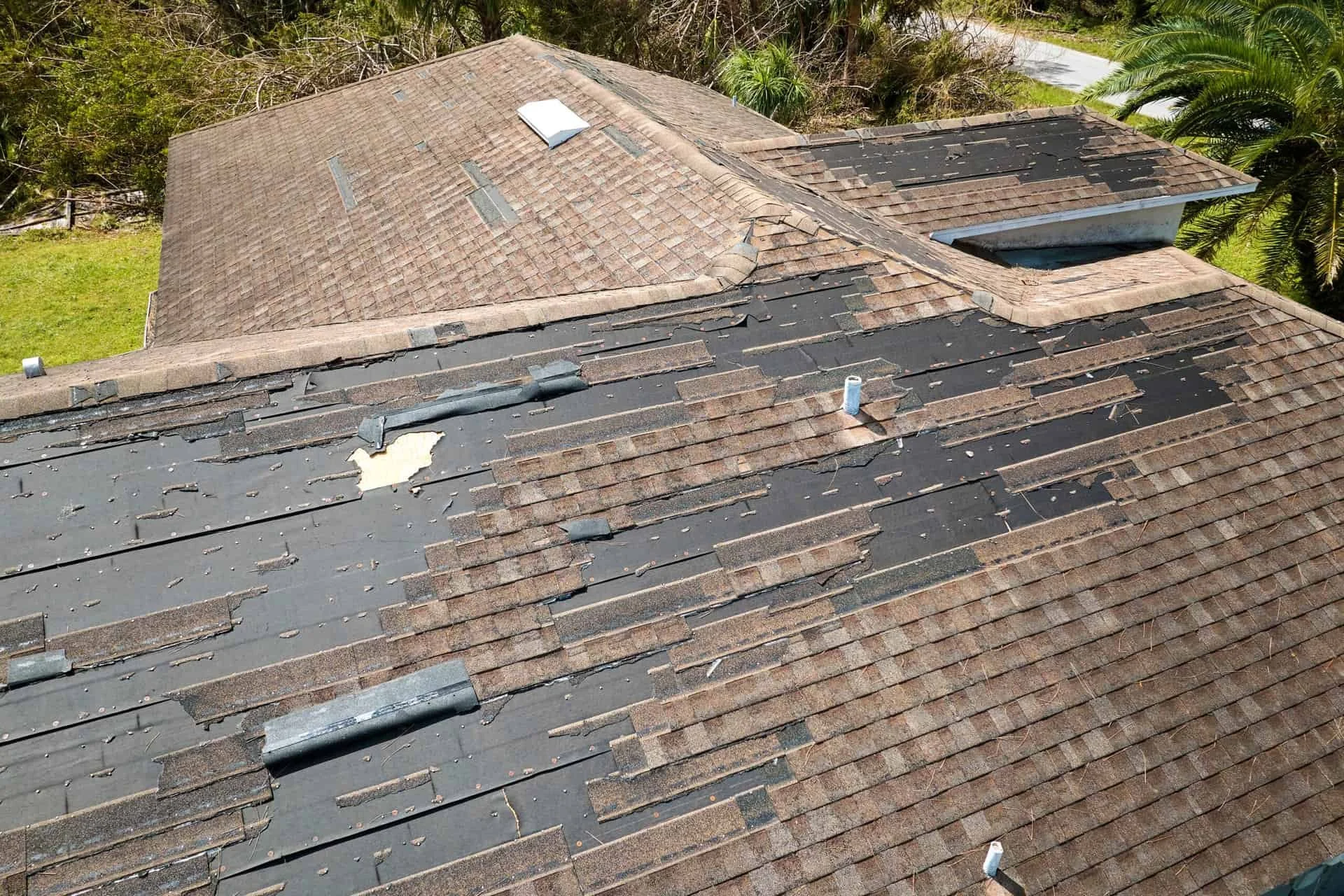
A roof inspector will climb to the heights of your home and inspect every nook and cranny of your roof. They will check for missing or damaged shingles, signs of water damage, and other issues that could cause leaks or other problems. And if they do find any issues, they can advise you on the best course of action to repair or replace your roof.
But why, you may ask, should you bother with a roof inspection? Is it not better to remain in blissful ignorance of any potential issues? Nay, dear homebuyer, for as I once said, "There is nothing either good or bad, but thinking makes it so." Ignorance may be bliss, but it is also folly. A faulty roof can lead to water damage, mold, and even compromise the structural integrity of your home. Ignoring these issues can lead to costly repairs down the line.
And let us not forget the humor! I have seen many a roof inspector quip about the "roof over their head" as they climb to the top of a home. And what could be more comical than the sight of a home inspector contorting themselves into all manner of positions to get a closer look at your roof? It is a veritable comedy of errors!
In conclusion, my dear homebuyers, I urge you to follow the advice of Polonius, "To thine own self be true." Inspect your roof and ensure that it is in good working order. For as I once wrote, "The play's the thing wherein I'll catch the conscience of the king." And so too shall a roof inspection catch any potential issues with your home's roof. Inspect on, and let your home be a joyous stage for many years to come.
Yours truly, Hamlet, Prince of Denmark.
Ben Franklin on The Importance of Having Your Foundation Inspected

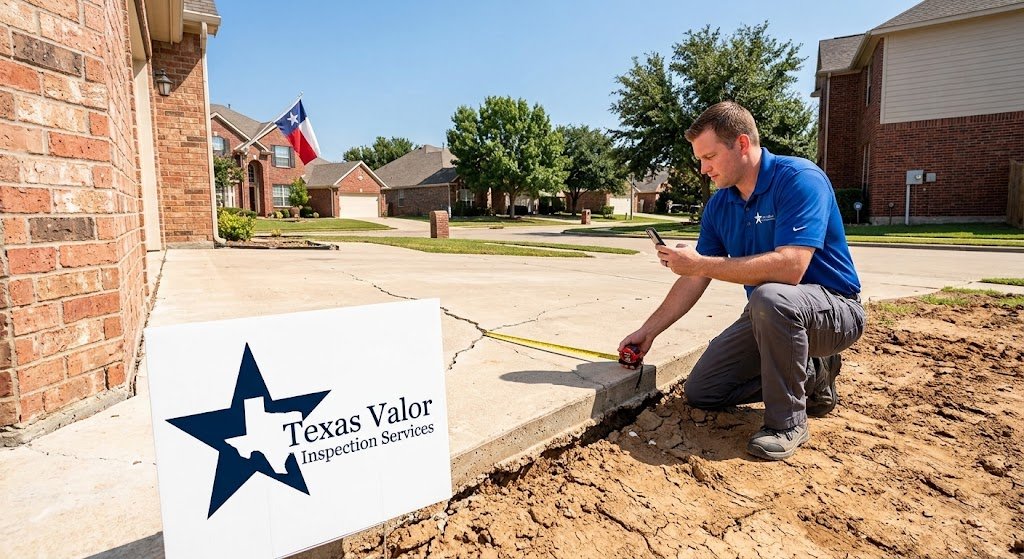
As Poor Richard, I'd like to impart some wisdom on my fellow citizens who are in the market for a new home. 'Tis a grand adventure to purchase a home, but one must be sure to leave no stone unturned, especially when it comes to the foundation of the home. In this entry, I shall explain the importance of having your home foundation inspected during a home inspection.
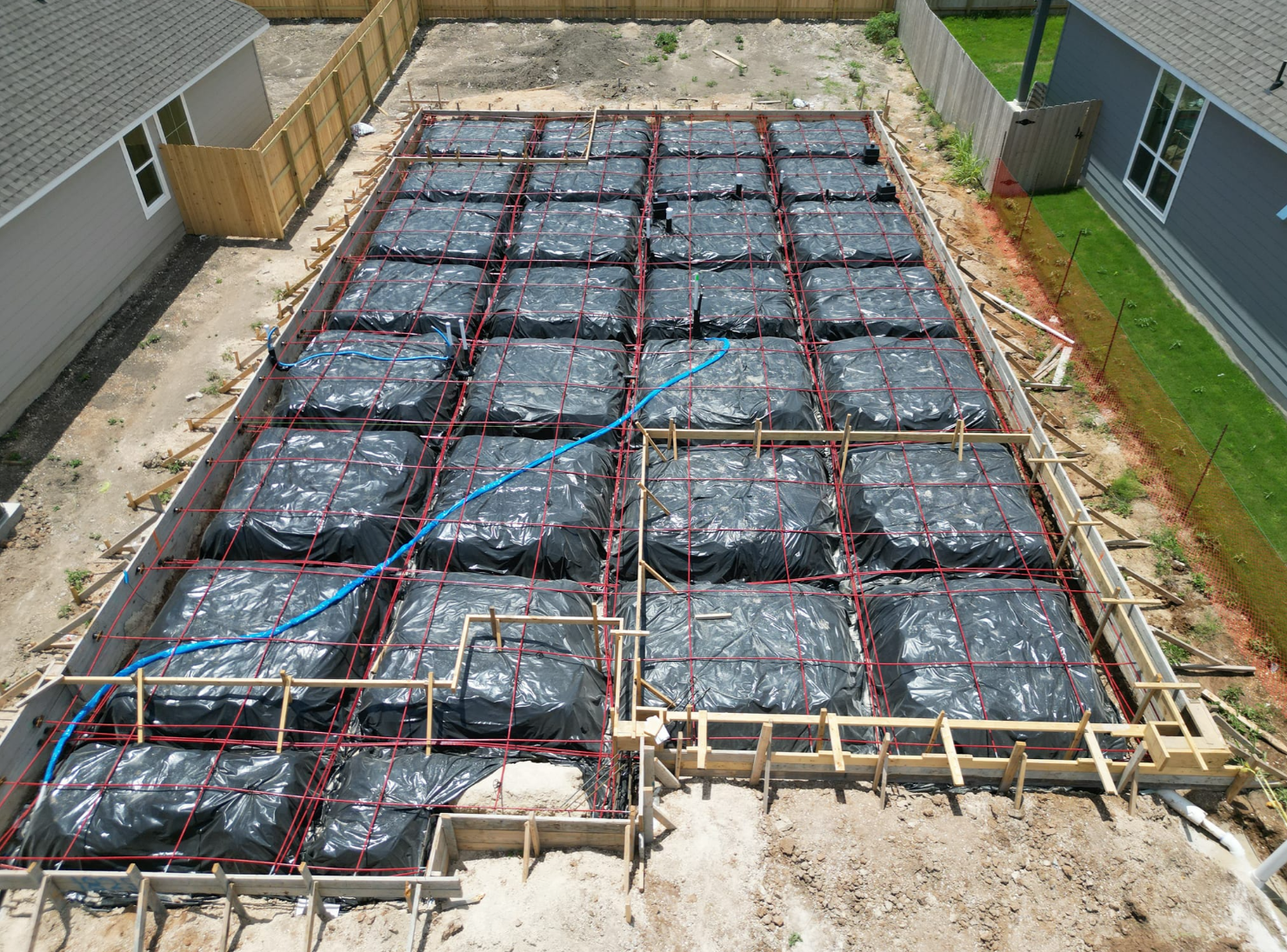
First and foremost, a home's foundation is the backbone of the entire structure. Without a sturdy foundation, the house will surely suffer from issues such as cracks, settling, and even collapse. These problems can be costly to repair and can even render the home uninhabitable. A proper inspection of the foundation will reveal any potential issues and allow you to make an informed decision about the home's worth and its ability to withstand the test of time.
In order to ensure that your foundation is in good condition, it is important to hire a professional inspector who is well-versed in the intricacies of foundations. The inspector will examine the foundation both inside and outside of the home, looking for any signs of distress such as cracks, settling, or shifting. They will also check for any water damage, which can weaken the foundation over time, as well as any signs of previous repairs.
In addition to the physical inspection, the inspector will also examine the soil surrounding the foundation. Soil conditions can greatly impact the stability of a foundation, so it is essential to know if the soil is stable or if it is prone to shifting. If the soil is unstable, it is possible that the foundation may need additional support or even be completely replaced.
While it may seem like an added expense, having your home and foundation inspected is a small price to pay when compared to the potential costs of repairing a damaged foundation. It is also important to remember that a home is a long-term investment and that you want to make sure that your investment is a sound one. If you purchase a home with a damaged foundation, you could end up spending thousands of dollars on repairs in the coming years, not to mention the headaches and stress that come with dealing with such issues.
In conclusion, I implore my fellow citizens to not overlook the importance of having a home foundation inspected during a home inspection. A small investment in an inspection can save you a great deal of money and headaches in the long run. After all, as I always say, 'A penny saved is a penny earned'. And in this case, a penny saved on a foundation inspection could be a fortune saved on repairs in the future.
So, my dear friends, be sure to leave no stone unturned in your search for the perfect home. Take the time to have your foundation inspected and you will be rewarded with a home that will stand the test of time. And who knows, you may even save enough money to finally buy that fancy new hat that you've been eyeing!
"The Importance of Home Electrical Inspections: Lessons from the Master of Electricity, Thomas Edison"

Greetings, fellow homebuyers! I am the master of electricity, Thomas Edison, and I come to you today with a crucial message about the importance of home electrical inspections. I have spent my life exploring the mysteries of electricity and its applications, and I can tell you firsthand that a home's electrical system is one of the most critical components that should be thoroughly evaluated before making a purchase.
In my day, electricity was a relatively new and untested phenomenon, but today, it is an essential component of modern life. From powering our lights and appliances to charging our phones and computers, electricity has become an indispensable part of our daily routine. And yet, many homebuyers still neglect to have their home electrical system inspected, often with disastrous results.
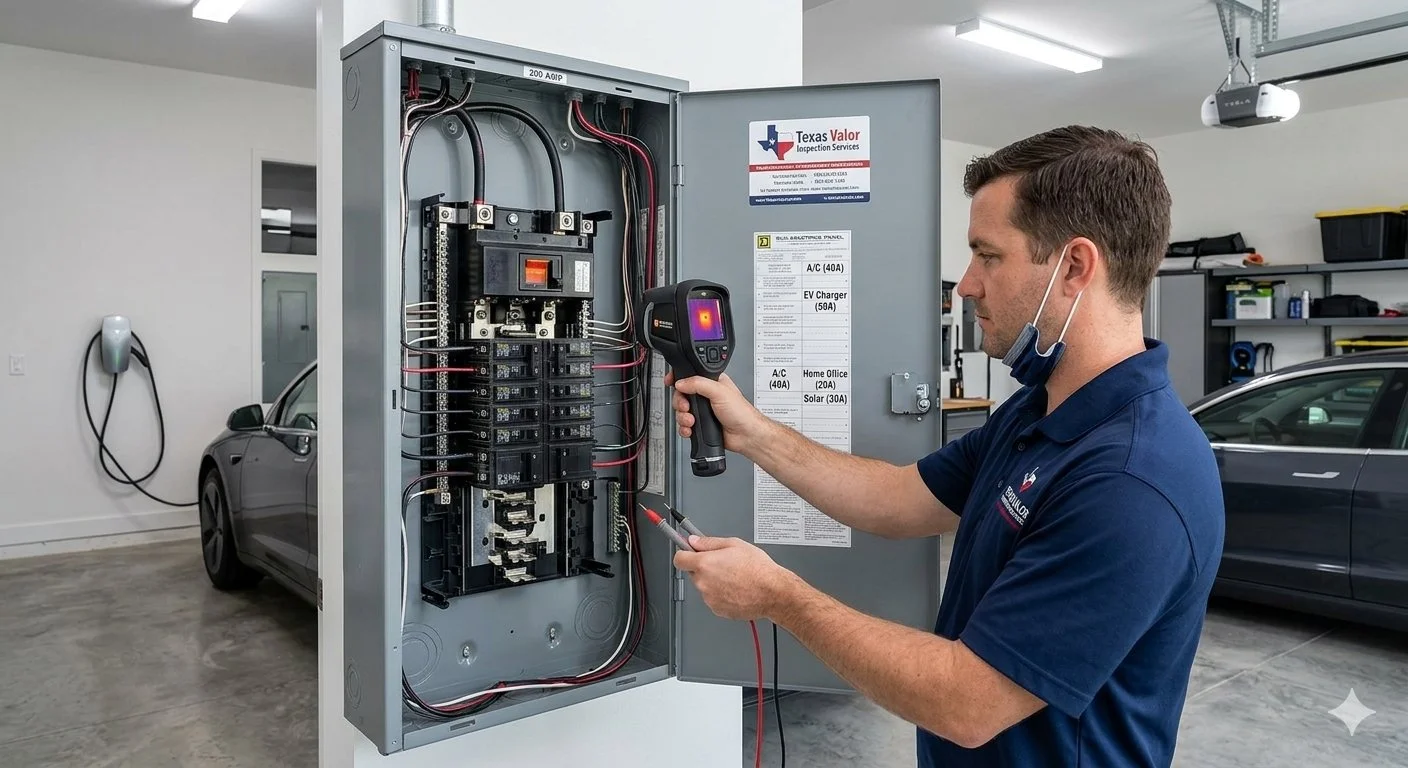
It is essential to have a professional inspect your home's electrical system to ensure that it is up to code and functioning correctly. A licensed home inspector will check the wiring, GFCI protection, circuit breakers, and panels for any signs of wear and tear, as well as ensure that the system has the capacity to handle your current and future electrical needs. A faulty electrical system can cause fires, electrocutions, and even blackouts, so it is crucial to have it inspected before you make your final decision to buy.
Now, I know that some of you may be thinking that electrical inspections are dull and boring, but I promise you, they are anything but! In fact, I would argue that electrical inspections are some of the most exciting parts of a home inspection. After all, what could be more thrilling than discovering that your new home is equipped with state-of-the-art electrical systems, or that you need to upgrade your wiring to keep up with your family's growing needs?
And let's not forget the humor. I've seen many a home inspector's face light up with amusement when they discover an old, antique electrical fixture in a modern home. It's like finding a dinosaur in your backyard! I've also seen homebuyers' eyes widen in shock when they realize their new home is still using fuses instead of circuit breakers. It's like stepping back in time!
In conclusion, my dear homebuyers, I implore you to take electrical inspections seriously. They may not be the most glamorous aspect of a home inspection, but they are certainly one of the most critical. A proper electrical inspection will give you peace of mind and ensure that your new home is safe, secure, and ready for the future. So go forth, my friends, and let the sparks fly!
Sincerely,
Thomas Edison
The Master of Electricity.
Mark Twain on The Importance of Getting a Home Inspection

"New Home Buyers Beware: The Importance of a Home Inspection, or How I Learned to Stop Worryin' and Love the Inspector"
Greetings, friends! If you're like me, you're likely in the market for a new home. And let me tell you, it can be an exciting and overwhelming time. But before you go signing on the dotted line, there's one thing you absolutely must do: get a home inspection.
Now, I know what you're thinking. "Mark Twain, you're just tryin' to scare us. We can tell if a house is in good shape just by lookin'." Well, I'm here to tell you, my dear friends, that appearances can be deceivin'. Just because a house looks like it's in tip-top shape on the outside, doesn't mean it is.
You see, a home inspection is like a trip to the doctor's office. Just like how the doc can spot potential health issues that you may not even be aware of, a home inspector can spot potential problems with the house that you may not have noticed. And just like how ignoring a health issue can lead to bigger problems down the road, ignoring a problem with the house can lead to costly repairs.
But fear not, friends! A home inspector is not there to ruin your dream home purchase. They're there to help ensure that you're not buying a money pit. And let's be real, who wants to be stuck with a money pit? Not this fella, that's for sure.
During a home inspection, the inspector will take a look at the structural integrity of the house, the electrical and plumbing systems, the roof, and the appliances, among other things. They'll take note of any issues they find and provide you with a report of their findings.
Now, I know what you're thinkin'. "But Mark, if the inspector finds something wrong with the house, does that mean we shouldn't buy it?" Not necessarily. It just means that you're aware of any potential issues and can make an informed decision. You can either choose to move forward with the purchase, or use the inspector's findings as a negotiation tool to lower the purchase price.
In conclusion, my dear friends, a home inspection is not something to be feared. It's a necessary step in the home buying process to ensure that you're not buying a lemon. So, do yourself a favor and schedule an inspection before you sign on the dotted line. Trust me, you'll thank yourself later.
And remember, as the great philosopher Forrest Gump once said, "Life is like a box of chocolates, you never know what you're gonna get." But with a home inspection, at least you'll have a pretty good idea.
Yours truly, Mark Twain.
Three Simple AC Maintenance Items
According to most air conditioner experts, there are three basic maintenance items for AC units that people overlook. And these three items comprise a large portion of easily preventable equipment failures. These consist of the condensate line, the air filter, and the condensing coil.
The Condensate Line
In Texas, most single-family homes with AC have what’s called a split system. This consists of a big box that sits on top of the furnace called an evaporator coil, which is connected to another box at the exterior that contains the compressor and condensing coil. If you’re curious about how this system works, head to HowStuffWorks; they have some nice descriptions and illustrations.
An air conditioner ‘conditions’ the air by removing heat and moisture. As warm, moist air gets passed over the evaporator coil (the thing that sits above the furnace or air handler), moisture condenses on the cold tubing. This condensate drains down to a pan where it gets directed out.
Condensate needs to be directed to an appropriate location, which is typically a nearby floor drain (i.e. sink or washing machine drain). This drain material must consist of cast iron, galvanized steel, copper, copper alloy, PEX, polyethylene, ABS, CPVC, PVC, or polypropylene pipe or tubing. The drain must also have an internal diameter of at least 3/4″.
When improper materials are used, the drain is undersized, the condensate drain has an increased potential to get blocked up. If the condensate drain consists of a garden hose or clear plastic tubing, replace it. This will help to prevent a blocked condensate drain, which will help prevent unwanted leakage at the evaporator coil.
Make sure your condensate drain is properly installed and properly secured.
In addition to this, there is a P-Trap in the condensate line typically in the attic near the air handling unit. Once a year you should pour a cup of bleach or vinegar in this to prevent organic growth that may plug your drain line during extended periods when you are not operating your AC unit (i.e. winter). I usually add vinegar to my condensate drain line vent over the Thanksgiving break each year. I prefer vinegar as it is more environmentally friendly than bleach.
The Air Filter
The air filter, also known as the furnace filter, must be replaced regularly. Usually, every one to three months will do, depending on the type of filter that’s installed. While most homeowners know about changing the filter during the winter, this still needs to happen during the summer when the AC is running.
If your home has a high-velocity system with an air handler in the attic, the filter will usually be located at the ceiling in an upper-level hallway, bedrooms, or in the attic right before the air handler unit.
Restricted airflow means reduced efficiency and reduced cooling capacity.
The Condensing Coil
This is the one that gets forgotten about the most. The compressor and condensing coil are the parts that sit outside the home, preferably in some out-of-the-way part of the yard. To help dissipate the heat that gets removed from the home, a big fan pulls outdoor air over the condensing coils.

For the condensing coil to work properly, it needs plenty of airflow. This means no trellis attached to it, no ivy, no plants, no walls, no boxes, and so on. Clearance requirements will vary from manufacturer to manufacturer, but a good general rule is 24″ of clear space. Keep vegetation trimmed away.

Condensing coils also need to be cleaned regularly. If your condensing coil is covered with dirt, dust, grass clippings, dryer lint, cottonwood seeds, and other outdoor stuff, you won’t have good airflow. Take the time to inspect all sides of the unit and clean the coils off if necessary. This can usually be done by spraying the unit down with a garden hose. Don’t try a pressure washer; the fins will bend very easily.

If your unit has protective grills that prevent access to the coils, you’ll need to take the grills off first. At that point, you need to do some dismantling. You might prefer to have an AC technician do the work if that’s the case.
What’s the Difference Between a Home Inspector License vs. Certification?

Certifications, licenses, credentials… they all offer proof of skills, knowledge, and competency, but are completely different when it comes to proving that knowledge to future customers and being compliant with your state board. If you’re on your journey to being a home inspector, you may be wondering what the difference is between getting your home inspection certification versus becoming a licensed home inspector and how it may impact your future business.
Here’s what you need to know.
What’s a Home Inspection Certification?
A certification offers proof of learning, completion of course knowledge, and verification of skills. Typically, certifications are earned voluntarily and aren’t required to get a job, but may aid in getting new clients, getting a promotion, or adding skills to your resume. Certifications are great at highlighting the skills that may not be obvious on a diploma, for example.
In the home inspection world, certifications are granted after a student has completed an in-person course or an online course. You did the work, learned the trade, and we send you a certificate as proof of completion and learning. You can add that certificate to your resume, your website, and even your mobile wallet to use on job sites and with potential clients to show you know how to do the service they’re paying you for.
Certificates, whether they’re digital or paper, are no participation trophies. They communicate that you actually know what you say you know and if someone needs to verify that learning they can do so with your permission.
When you enroll in home inspection training through ICA, you’re given a certificate after completing your course. If your state requires you to become licensed, you will need to share this certificate with them as proof of your course completion and required educational hours. All home inspectors should get a home inspection certification but not all will need to be licensed.
What’s a Home Inspection License?
A license is given by a regulating body and grants permission for a specific individual to practice a career (like home inspection, medicine, law, nursing, etc.). The licensure process certifies that the person petitioning for a license has met the minimum education qualifications required in that field and has demonstrated mastery of skills required to successfully serve their community.
As a licensed home inspector, your clients can be assured that you not only have the skills needed to inspect their home, but that these skills have been validated by your state board- a powerful stamp of approval and one required by some, but not all, states.
To obtain a license, a professional typically must fulfill specific requirements outlined by their state. Requirements vary by state and may include completing an approved home inspection course and obtaining a home inspection certification, passing an exam, completing a specific number of inspections under the guidance of another inspector, or any combination of these or other requirements. It is wise to understand whether your state issues home inspection licenses and what your state-specific requirements are.
Do home inspectors need to be licensed?
In Texas, all home inspectors are required to be licensed by TREC (Texas Real Estate Commission). Texas Licensure The Texas licensure law, the Real Estate License Act, provides for the examination of home inspectors and established continuing education requirements. These and other requirements are contained in the Texas Administrative Code, Subchapter R, Rules . The law also requires home inspector applicants to work as apprentice inspectors under the supervision of a professional licensed home inspector.
TREC issues three levels of inspector licenses: Apprentice Inspector, Real Estate Inspector , and Professional Real Estate Inspector. Texas Valor Inspection Services inspectors are all fully licensed Professional Real Estate Inspectors, meeting the most stringent and professional level of their industry.
Do You Need Arc-Fault Circuit Interrupters?
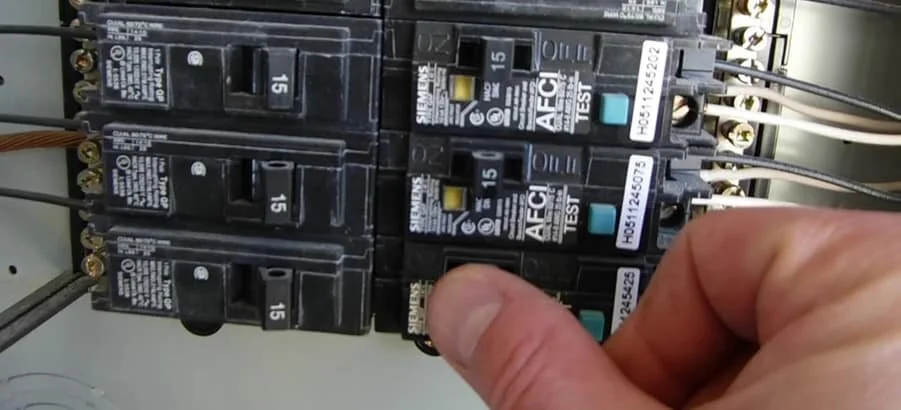
Arc-fault circuit interrupters (AFCIs) are special types of electrical outlets and circuit breakers designed to detect and respond to potentially dangerous electrical arcs in home branch wiring.
How do they work?
AFCIs function by monitoring the electrical waveform and promptly opening (interrupting) the circuit they serve if they detect changes in the wave pattern that are characteristic of a dangerous arc. They also must be capable of distinguishing safe, normal arcs, such as those created when a switch is turned on or a plug is pulled from a receptacle, from arcs that can cause fires. An AFCI can detect, recognize, and respond to very small changes in wave pattern.
What is an arc?
When an electric current crosses an air gap from an energized component to a grounded component, it produces a glowing plasma discharge known as an arc. For example, a bolt of lightening is a very large, powerful arc that crosses an atmospheric gap from an electrically charged cloud to the ground or another cloud. Just as lightning can cause fires, arcs produced by domestic wiring are capable of producing high levels of heat that can ignite their surroundings and lead to structure fires.
According to statistics from the National Fire Protection Agency for the year 2005, electrical fires damaged approximately 20,900 homes, killed 500 people, and cost $862 million in property damage. Although short-circuits and overloads account for many of these fires, arcs are responsible for the majority and are undetectable by traditional (non-AFCI) circuit breakers.
Where are arcs likely to form?
Arcs can form where wires are improperly installed or when insulation becomes damaged. In older homes, wire insulation tends to crystallize as it ages, becoming brittle and prone to cracking and chipping. Damaged insulation exposes the current-carrying wire to its surroundings, increasing the chances that an arc may occur.
Situations in which arcs may be created:
electrical cords damaged by vacuum cleaners or trapped beneath furniture or doors.
damage to wire insulation from nails or screws driven through walls.
appliance cords damaged by heat, natural aging, kinking, impact or over-extension.
spillage of liquid.
loose connections in outlets, switches and light fixtures.
Where are AFCIs required?
Locations in which AFCIs are required depend on the building codes adopted by their jurisdiction. Inspectors are responsible for knowing what building codes are used in the areas in which they inspect.
The 2006 International Residential Code (IRC) requires that AFCIs be installed within bedrooms in the following manner:
E3802.12 Arc-Fault Protection of Bedroom Outlets. All branch circuits that supply120-volt, single-phase, 15- and 20-amp outlets installed in bedrooms shall be protected by a combination-type or branch/feeder-type arc-fault circuit interrupter installed to provide protection of the entire branch circuit.
Exception: The location of the arc-fault circuit interrupter shall be permitted to be at other than the origination of the branch circuit, provided that:
The arc-fault circuit interrupter is installed within 6 feet of the branch circuit overcurrent device as measured along the branch circuit conductors, and
The circuit conductors between the branch circuit overcurrent device and the arc-fault circuit interrupter are installed in a metal raceway or a cable with metallic sheath.
The National Electrical Code (NEC) offers the following guidelines concerning AFCI placement within bedrooms:
Dwelling Units. All 120-volt, single phase, 15- and 20-ampere branch circuits supplying outlets installed in dwelling unit in family rooms, dining rooms, living rooms, parlors, libraries, dens, sun rooms, recreation rooms, closets, hallways, or similar rooms or areas shall be protected by a listed arc-fault circuit interrupter, combination-type installed to provide protection of the branch circuit.
What types of AFCIs are available?
The four most common types of AFCIs are as follows:
Branch/feeder—installed at the main electrical panel or sub-panel.
Outlet circuit—installed in a branch-circuit outlet.
Combination—complies with the requirements of both the branch/feeder and the outlet circuit AFCIs.
Cord—a plug-in device connected to the receptacle outlet.
Nuisance Tripping
An AFCI might activate in situations that are not dangerous and create needless power shortages. This can be particularly annoying when an AFCI stalls power to a freezer or refrigerator, allowing its contents to spoil. There are a few procedures an electrical contractor can perform in order to reduce potential “nuisance tripping," such as:
Check that the load power wire, panel neutral wire and load neutral wire are properly connected.
Check wiring to ensure that there are no shared neutral connections.
Check the junction box and fixture connections to ensure that the neutral conductor contacts a grounded conductor.
Arc Faults vs. Ground Faults
It is important to distinguish AFCI devices from Ground Fault Circuit Interrupter (GFCI) devices. GFCIs detect ground faults, which occur when current leaks from a hot (ungrounded) conductor to a grounded object as a result of a short-circuit. This situation can be hazardous when a person unintentionally becomes the current’s path to the ground. GFCIs function by constantly monitoring the current flow between hot and neutral (grounding) conductors, and activate when they sense a difference of 5 milliamps or more. Thus, GFCIs are intended to prevent personal injury due to electric shock, while AFCIs prevent personal injury and property damage due to structure fires.
In summary, AFCIs are designed to detect small arcs of electricity before they have a chance to lead to a structure fire.

Please contact Texas Valor Inspection Services to schedule a professional inspection for your home or business: 833-898-2567 or email larry@texavalor.com
New BOOK NOW Feature Added To Website
Now it is easier than ever to check inspector availability and schedule your home inspection with Texas Valor’s new Book Now feature. Located at the top of each page in the menu section.


Your offer just got accepted on the home you want, now what? A home inspection should be at the top of the list of things you need to get done. It's your opportunity during the option period to have a licensed professional home inspector diagnose the health and material condition of a home's mechanical, structural, plumbing, electrical, roof and other components.
As the home buyer, you get a chance to select an objective 3rd party to perform your home inspection before you fully commit. The home inspection report Texas Valor Inspection Services produces gives you leverage to work with your Realtor to negotiate/prioritize repairs, request a credit at closing or a reduction in the sales price. Not only do we offer the most professional and best quality inspections in town, we now make it a stress free process with contactless scheduling, report delivery and payment processing.
Let us put our skill and experience to work for you to help protect you as you move forward with what is likely the largest investment you will make in your lifetime.
Please contact Texas Valor Inspection Services to schedule a professional inspection for your home or business: 833-898-2567 or email larry@texavalor.com
MONEY SAVING TIPS: How To Set Your Thermostat In A Multi-Story Home

Living in a multi-story home or townhouse can come with an unexpected consequence: unusual climate control difficulties. Trying to get every level of a multi-story home a nice, comfortable temperature can be tricky. This is especially true if you’ve recently moved in and haven’t had the time to familiarize yourself with the property’s thermostat. With a little bit of HVAC knowledge, though, you can find a simple and effective way to get a cozy temperature for your home, no matter what room you’re in.
THERMODYNAMICS 101: HOT AIR RISES / COLD AIR FALLS
It has probably been a while since you took a science class, so you might not remember that hot air always rises and cold air always falls. The nature of heat is movement and expansion, so the heated air molecules push their way upwards as the colder air contracts and sinks. For this reason, the highest floor in your multi-story home will be the warmest throughout the day, which sets the groundwork for how to make thermostat adjustments that will work for this particular situation.
HVAC ZONED SYSTEM: MULTIPLE THERMOSTATS WITH A SINGLE UNIT
First things first, you should have a thermostat that controls each floor of your multi-story property. If you do not, then your guaranteeing climate control on the floor without the thermostat – typically the top floor – will be unlikely. Homes with multiple HVAC units are typically set up with a dedicated unit for each floor controlled by its own thermostat. If you don’t have multiple HVAC units or a single unit with multiple thermostats, then you may consider getting an upgraded zoned HVAC system installed that allows split and precise control of the temperature for individual floors with a single HVAC unit.
Regardless of which configuration you have, when you have multiple thermostats on different floors, they should be set up as follows.
FOR THE SUMMER
Set the upper most floor’s thermostat to the temperature you want. The floor below should be about two degrees cooler. Any floor under that should again be two degrees cooler. What you create with this setup is a temperature cascade. As we know, cold air falls. Your top floor will reach the temperature you want, and the colder air will fall to the lower floors, cooling them as well and creating a pretty equalized internal temperature.
FOR THE WINTER
Invert this process, which means the bottom floor should be your set temperature and the floor above it should be two degrees cooler. Any floor above that should be two degrees cooler again, and so on. This setup makes an upwards temperature cascade, with hot air rising out of the bottom floor. Just like that, you’re a temperature scientist!
WHY NOT SET EVERY FLOOR TO THE SAME TEMPERATURE?
You could technically set each floor’s thermostat to your desired temperature, but this is not advised. Your upper or lower floors – depending on the season – will constantly be battling against the elements to stay cool or warm. All throughout the day, your air conditioner or heater will be running non-stop. By the time you get your utility bill, your jaw is going to drop – much like cold air – due to its astronomical cost. Using the cascade tricks, though, lets you enjoy the same end result with much less energy demand.
Please contact Texas Valor Inspection Services to schedule a professional inspection for your home or business: 833-898-2567 or email larry@texavalor.com
Asbestos, The Magical And Potentially Deadly Material In Your Properties

Asbestos really is a magical product. And it is safe as long as its structure is not broken up. The problem comes when the fibers are broken and inhaled. Many older buildings used this durable construction material in both commercial and residential siding, flooring, celling tiles, popcorn ceilings, insulation and roofing products.
Archaeological studies have found evidence of asbestos being used as far back as the Stone Age to strengthen ceramic pots, but large-scale mining began at the end of the 19th century when manufacturers and builders began using asbestos for its desirable physical properties.
Asbestos was widely used during the 20th century until the 1970s, when public recognition of the health hazards of asbestos dust led to its prohibition in mainstream construction and fireproofing in most countries.

Asbestos floor tiles
Asbestos cement is often found in tiling used as siding and roofing materials. Although invented at the end of the 19th century, the material rose to necessity during World War II to make sturdy, inexpensive military housing, and continued to be used widely following the war as an affordable external cladding for buildings. Advertised as a fireproof alternative to other roofing materials such as asphalt, asbestos-cement roofs were popular not only for safety but also for affordability. Due to asbestos-cement’s imitation of more expensive materials such as wood siding and shingles, brick, slate, and stone, the product was marketed as an affordable renovation material. Asbestos-cement faced competition with the aluminum alloy, available in large quantities after WWII, and the reemergence of wood clapboard and vinyl siding in the mid to late twentieth century.
If the commercial or residential property you are buying or selling was built during these timeframes, you should have the structure inspected for asbestos materials.
Please contact Texas Valor Inspection Services to schedule a professional inspection for your home or business: 833-898-2567 or email larry@texavalor.com
Texas Valor Blog:
Welcome to the Texas Valor Inspection Services Blog. Here you will find many tips, tricks, and relevant information on our services.