
The Silent Threat Beneath Your Texas Home: How Clay Soil Impacts Your Foundation
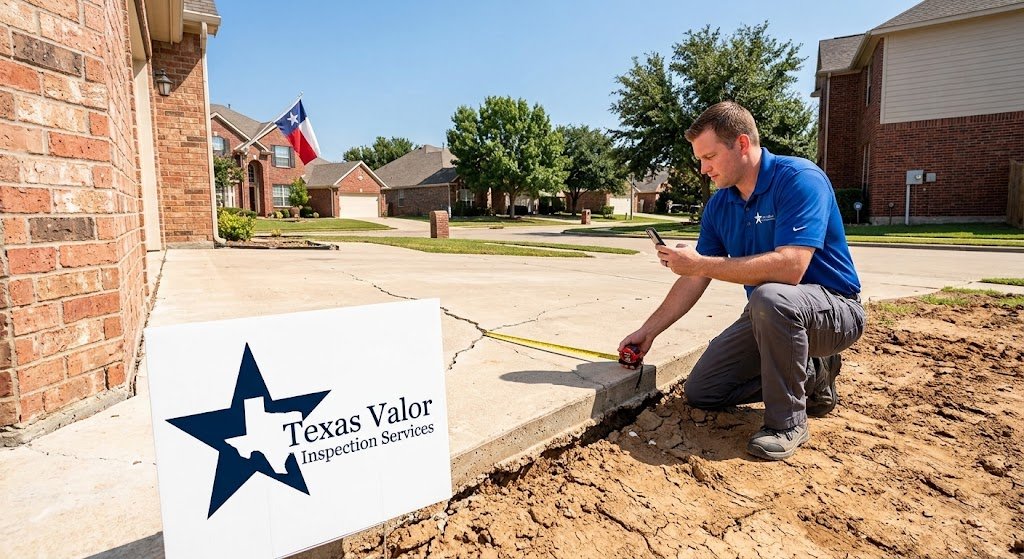
If you’ve lived in Texas for any length of time, you’ve likely heard the local wisdom: “There are two types of homes in Texas: those with foundation issues, and those that are about to have them.”
While that might sound like an exaggeration, the culprit behind it is very real. Beneath the turf of Central and North Texas lies expansive clay soil—often called "black gumbo." This heavy clay acts like a massive sponge, swelling dramatically when soaked with rain and shrinking significantly during hot dry spells.
Understanding how this seasonal movement affects your property is one of the single most important parts of homeownership in the Lone Star State.
The Moisture Rollercoaster: Why Texas Soil Shifts
Expansive clay expands in volume when saturated and contracts as it dries out. When Texas experiences torrential spring rains followed by scorching summer droughts, the ground around and beneath your slab or pier-and-beam foundation undergoes relentless movement.
During a drought, soil pulls away from the edges of your foundation, removing critical load-bearing support. When the heavy rains return, the ground swells upward and outward, exerting intense hydraulic pressure against beam walls and concrete slabs. Over time, this constant flexing creates structural stress.
Early Warning Signs Every Texas Homeowner Should Watch For
Foundation settlement or heave rarely happens overnight. Your home will usually give subtle warnings before major structural damage occurs:
Sticking Doors and Windows: Frame movement causes interior and exterior doors to rub, jam, or latch improperly.
Diagonal Sheetrock Cracks: Keep an eye out for diagonal cracks radiating from the upper corners of door frames and window openings.
Exterior Masonry Separation: Fractures in exterior brickwork—especially "stair-step" cracks along mortar lines—signal foundation movement.
Uneven or Sloping Floors: A subtle pitch in tile or hardwood flooring often points to differential settlement underneath.
Gaps Around Trim or Cabinetry: Trim pulling away from walls, or kitchen counters separating from the backsplash, indicates frame torque.
How to Protect Your Investment
While you can’t change the soil beneath your house, proactive maintenance goes a long way toward stabilizing foundation movement:
Maintain Consistent Soil Moisture: Use a soaked hose or automated drip irrigation system around the perimeter during dry summer stretches to keep soil expansion uniform.
Ensure Proper Drainage: Soil should slope away from your foundation wall at least 6 inches over the first 10 feet to prevent standing water during sudden rainstorms.
Extend Downspouts: Route roof runoff at least 3 to 5 feet away from the foundation edge to eliminate localized clay saturation.
Get Complete Peace of Mind with Texas Valor Inspection Services
Whether you’re buying a new property, preparing to list your current home, or simply want to check the structural integrity of your house, a professional evaluation is essential.
At Texas Valor Inspection Services, we conduct thorough visual structural assessments to identify early indicators of foundation distress, improper drainage, and moisture intrusion before minor issues turn into costly repairs.
Protect your investment with a clear, actionable report from an inspector who knows Texas homes inside and out. Visit us today at www.texasvalor.com to schedule your inspection!