
Top 5 Common Roof Issues in Texas: Safeguarding Your Home and Business
Living in Texas means dealing with a unique blend of scorching summers, sudden hailstorms, and powerful winds that can wreak havoc on both residential and commercial roofs. As a Texan, you know that your roof isn't just a cover—it's your first line of defense against the elements. At Texas Valor Inspection Services, we specialize in protecting what matters most, whether it's your family home in the greater Austin area or a bustling commercial property. Unfortunately, many property owners overlook early signs of trouble until minor issues escalate into costly repairs. In this post, we'll dive into the top five most common roof problems faced by Texans, drawing from years of local experience and industry insights. Understanding these can help you spot problems early and maintain your roof's integrity.
1. Hail Damage: The Silent Destroyer
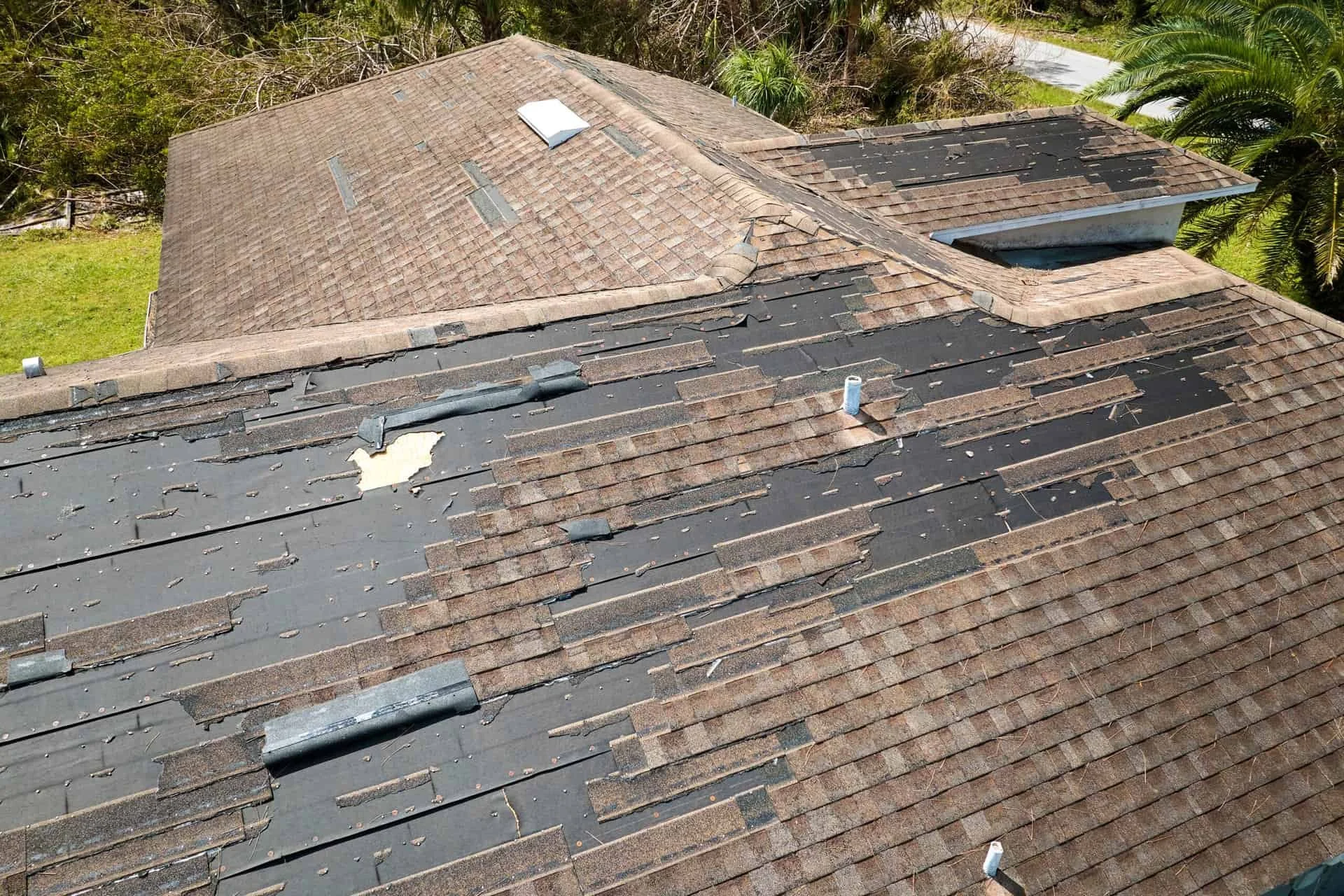
Hailstorms are a notorious threat in Texas, especially during spring and summer. Even small hail can dent metal roofs, crack tiles, or bruise asphalt shingles, leading to granule loss that exposes the underlying material to further degradation. For residential homes, this often results in scattered impacts that compromise waterproofing. Commercial flat roofs are particularly vulnerable, as hail can puncture membranes and cause immediate leaks. Regular inspections after storms are crucial—ignoring dents can lead to water infiltration and structural weakening over time.
2. Wind and Storm Damage: Uplift and Tears
Texas winds, often exceeding 60 mph during thunderstorms, can lift shingles, tear off flashing, or even peel away entire sections of roofing. Residential roofs with asphalt shingles commonly see missing or curled edges, while commercial buildings with TPO or EPDM systems face uplift issues if not properly secured. This damage not only exposes the underlayment but also invites pests and moisture. In high-wind areas like the Gulf Coast, reinforcing edges with sealants or upgrading to wind-resistant materials can make a big difference.
3. Heat and UV Exposure: Warping and Deterioration
The relentless Texas sun bakes roofs with intense UV rays and temperatures soaring well over 100°F, causing materials to expand, contract, and degrade. Asphalt shingles blister or crack, while commercial rubber roofs can warp or fade prematurely. Homeowners might notice granule loss or fading colors, signaling reduced lifespan. For businesses, this leads to higher energy costs from poor insulation. Opting for reflective coatings or cool-roof technologies can mitigate these effects and extend roof life by up to 20%.
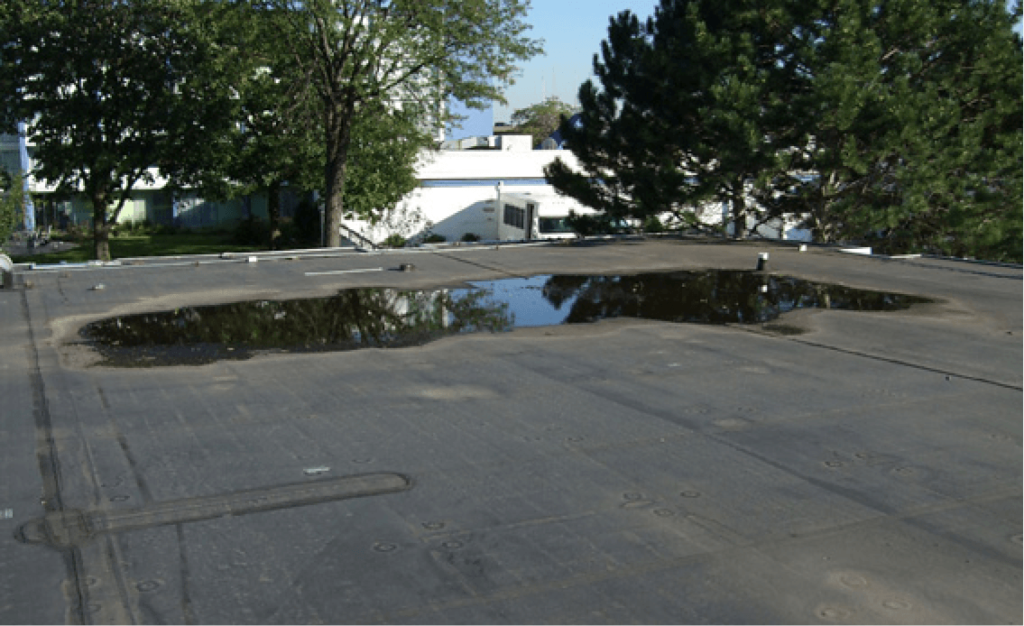
4. Leaks and Moisture Problems: From Drainage to Infiltration
Poor drainage is a plague for both residential and commercial roofs, leading to ponding water that seeps through cracks or faulty seals. In homes, clogged gutters exacerbate this, causing ice dams in rare winter snaps or mold growth in humid conditions. Commercial properties often suffer from open penetrations around HVAC units or improper flashing, resulting in interior damage and business disruptions. Early detection through routine cleanings and sealing can prevent expensive water damage and health hazards like mold.
5. Poor Installation and Maintenance: The Human Factor
Many issues stem from subpar initial installation or neglected upkeep. Residential roofs might have uneven shingles or inadequate ventilation, while commercial ones could have improperly sealed seams. Without regular maintenance, small problems compound, especially in Texas's variable climate. Hiring certified professionals for installations and biannual inspections ensures longevity and warranty compliance.
In conclusion, Texas roofs endure a lot, but proactive care can save you thousands. If you spot any of these issues, don't wait—contact a trusted local expert like Texas Valor for a thorough assessment. Regular maintenance isn't just smart; it's essential for peace of mind in the Lone Star State. Stay protected, Texas!